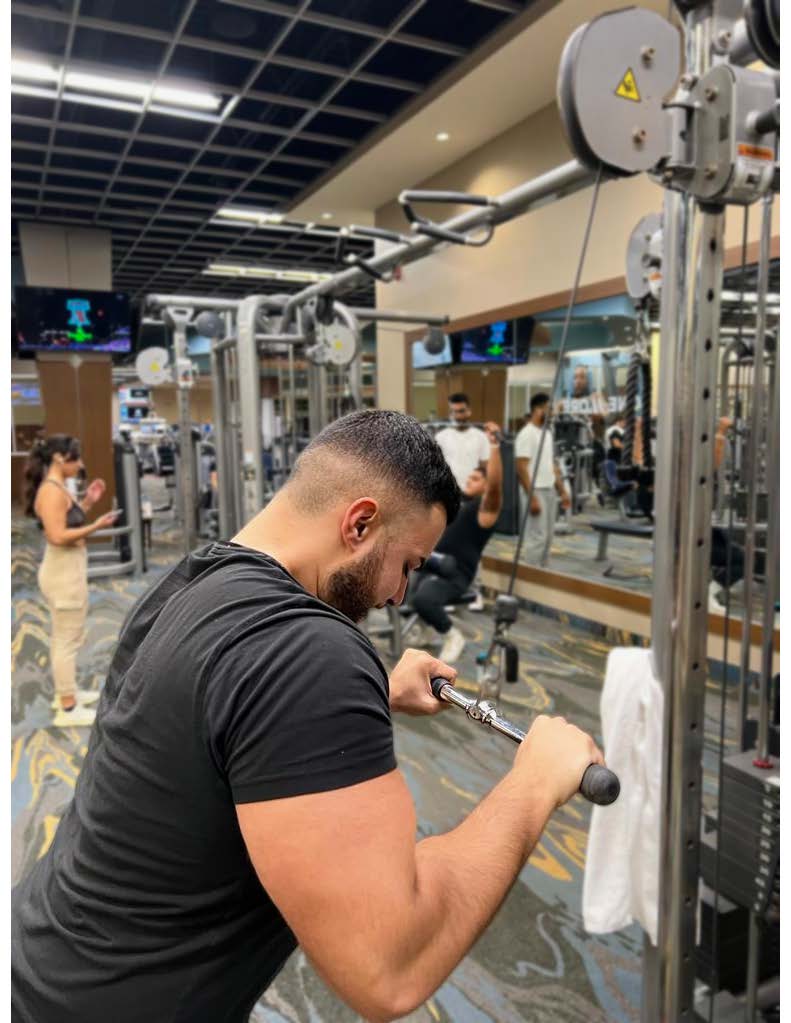
My first gym video was a disaster. Shaky camera, no hook, a caption that said "leg day" and nothing else, and about forty views, half of them family. A few years later, content is half my career, and the biggest lesson is this: growing a page works exactly like building a physique. Nobody grows from random effort. You need a program, you need progressive overload, and you need recovery. So before you film another set, here are the five things I wish somebody had loaded on the bar for me at the start.
1. Pick Your Lane Before You Pick Up the Camera
When I started, I posted everything: lifts, meals, motivation quotes, my dog. The page had no identity, so the algorithm had nothing to file me under, and neither did people. The personal branding guide from Influencer Marketing Hub argues that you should narrow your focus until you can become the go-to person in a niche that a real audience actually cares about.1 That advice changed how I filmed everything. "Fitness" is not a niche; hypertrophy training for natural lifters is, and so is longevity work for people over 40, or coaching busy parents through three-day splits. Pick the corner of the gym you can own, plant your flag there, and make it obvious what problem you solve before you ever ask anyone to follow you. Run a quick audit: open your grid and look at your last nine posts. If a stranger cannot tell within ten seconds what you coach and who it is for, you have a camera roll, not a page. A niche is not a cage either; once people trust you in one lane, they will follow you into the next.
2. Let the Numbers Coach You
You track your lifts in a logbook, so track your content the same way, starting with the numbers that describe the whole sport. According to the data Belle Wong compiled for Forbes Advisor, short-form video is the most engaging format on social media, holding the attention of 66% of consumers and pulling roughly 2.5 times more engagement than longer videos.2 That is why your 45-second squat fix will outperform your 20-minute vlog for reach every single time. Long videos still matter for depth and trust, but discovery happens in under a minute, on a phone, usually with the sound off. Film vertical, put the payoff in the first three seconds, and let the long stuff live where people go once they already know you. Then treat your insights tab like a logbook: once a week, pull your three best posts and ask what they share, the hook, the length, the exercise, the time of day, and run that experiment again. Testing beats guessing, in programming and in posting.
Production value is the next trap the numbers talk you out of. Wong reports that half of Millennials trust product recommendations from influencers over celebrities, and that "88% of Millennials say they value authenticity in the influencers they follow."3 Read that again before you rent a studio. Your garage gym, your missed lifts, and your unfiltered check-ins are not weaknesses; they are the reason strangers will trust you with their training. Polish the value, not the varnish.
3. Your First Line Is a Working Set
Most lifters treat captions the way beginners treat warm-ups: something to rush through. The writing is half the content. Training material from the International Journalists' Network drills one point home, noting that online readers "tend to skim or scan content, especially when they first visit a website."4 Nobody is savouring your caption like a novel. Your first line has to carry the load: state the problem, promise the fix, and keep sentences short enough to read mid-scroll between sets. If the value shows up in line four, it may as well not exist. My rule now is to write that first line before I film a single rep, because it forces the video to have a point. If the point does not fit in one breath, it is two videos, not one.
Titles deserve the same discipline. The same guide puts it plainly: "Internet users want to get information fast. Headlines that leave them guessing about the topic of a story do not entice them to click through to read the rest of it."5 So retire the clever puns. "Fix Knee Cave with Two Drills" beats "Stop Doing This!" because it tells both the viewer and the search bar exactly what they are getting. Clarity is the strongest hook there is. Ten minutes spent on the words will move your reach further than an hour spent colour grading.
4. Teach First, Sell Second, and Program Your Posts Like a Training Block
Here is the mistake that kills most trainer pages: every post is a pitch. The research argues hard against it. A study published in the Journal of Research in Interactive Marketing analyzed five brands' content and found that the ones maturing into real content marketing deliberately cut back sales posts in favour of educational ones, concluding that the "content that is consumed and shared can itself be as valued as the product or service."6 Sit with that for a second. Your free form breakdown is not a loss leader; it is the product experience that earns the coaching DM later. Teach the deadlift cue, bust the fat-burner myth, hand out the meal-prep framework, and the sales conversation starts itself. Teach on Monday and Wednesday, and by Friday nobody minds that you mention your coaching spots, because nobody unfollows the person who keeps making them better.
Consistency is the other half, and nobody can produce cinema every day. The same study describes how small teams stay consistent through content tiering, sorting ideas by priority and by how much effort they cost to produce, so heavy flagship pieces and quick daily posts each have a place.7 That is periodization, plain and simple. Your weekly technique video is the heavy compound lift, your daily clips and Q&As are the accessory work, and your reposts are the mobility session. Build the split once and you will never stare at a blank camera roll wondering what to post. Batch the accessory work into one filming session and the whole week runs itself.
5. Guard Your Rest Days from the Algorithm
This is the lesson I learned last, and it cost me the most. The feed will take everything you give it and ask for more. Sophie Bishop names this "influencer creep" in her essay for Real Life, describing it as "the on-edge feeling that you have not done enough for social media platforms."8 Every trainer I know recognizes that feeling. It is the voice telling you to film the rest day, post the meal, turn the deload week into a storyline. You program recovery for your clients because adaptation happens in the rest, and your creative output works exactly the same way. So set posting hours the way you set gym hours, with a hard finish, and keep one session a week where the phone stays in the bag. No angles, no clips, just training. That hour is where my best ideas come from, because you cannot say anything real if you never train without an audience.
There is a harder business reason to protect yourself too. Bishop warns that "the platform's infrastructure can change or even disappear at any moment."9 One update can bury the reach you spent years building. So own something: an email list, a website, a client roster that lives off the app. Rented land is fine for marketing, but never build the whole gym on it.
The Last Rep
Five lessons, one theme: treat content like training. Pick a lane, follow the data, write with intent, program the work, and protect the athlete doing it. Through all of it, resist the urge to imitate whoever went viral this week. The personal branding guide I mentioned earlier closes with a line I think about constantly: "Ultimately, the secret is to be yourself. You can't be anybody else, because they have already been taken."10 Nobody else has your training history, your client stories, or your way of explaining a hip hinge. That is your point of difference, and no algorithm update can take it from you. Now go film the set.